
Are you part of a community? 🙋♂️🤸♀️👩🦼👀
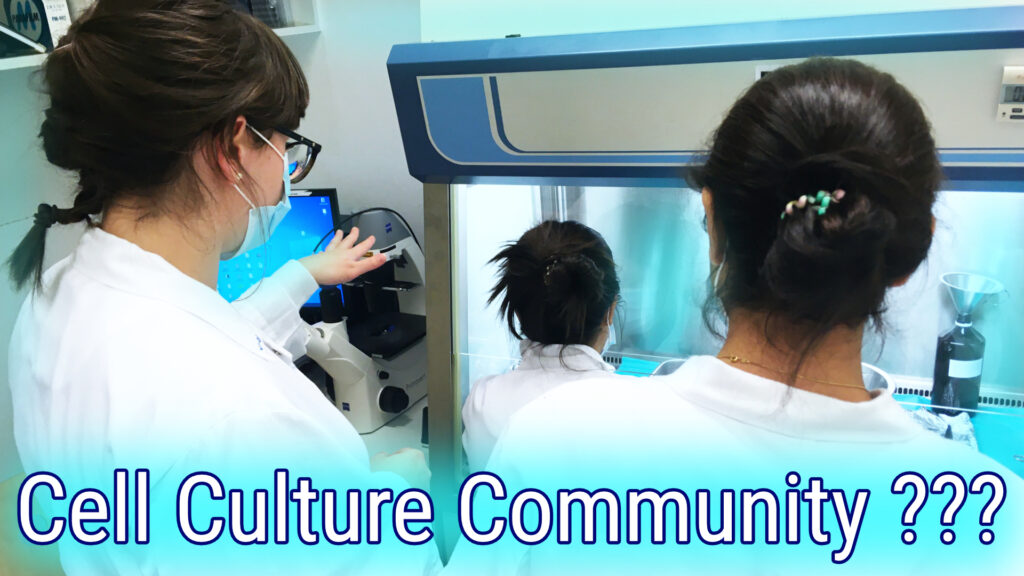
Being part of a community can be so annoying. We are not free to do as we wish 😕. We have to be considerate of other people 😕, or even worse, their schedules 😕!
No freedom. No creativity. Just rules. 😕😕😕
Then why did the concept of a community survive for such a long time in human evolution? 🦍🤔
Well.
🌠 Maybe because it works and has proven its worth.
🌠 Maybe because the benefits outweigh the restrains.
🌠 Maybe because communities create synergy. Together, we achieve […]
How We Created 96 lablife.video Storyboards 🤦🏻♀️
It felt right 👍. But were we right 😳?
Cell culture technique cannot be googled. What you find, most of the time, does not correspond to any decent guideline ❌❌❌.
❓ We decided to ask people who are actually affected: students, technicians, and anyone who wants to do it right.
“How should video tutorials for cell culture technique look like?”
The answers were remarkably similar: clear content, good lighting, good sound, short and concise. Fine with us 🤷🏻♀️🤷🏻♀️.
❓ We asked students: […]
Lab Etiquette – Part of the Experiment? 🧫👀
Every action in the cell culture lab affects the work of others. Here, lab manners are literally part of the experimental design, probably more so than in any other lab.
Bad manners are bad practices:
👎 “forgetting” Mr. Frosties in the – 80 °C freezer when they are urgently needed ➡️ seriously!
👎 “borrowing” other people’s reagents and media ➡️ colleagues may unknowingly end up with a contamination, or, even worse, with a cross-contamination
👎 ignoring booking times ➡️ messing up other […]
The Experiment Did Not Work – Another One Of “Those Days”? 🙄
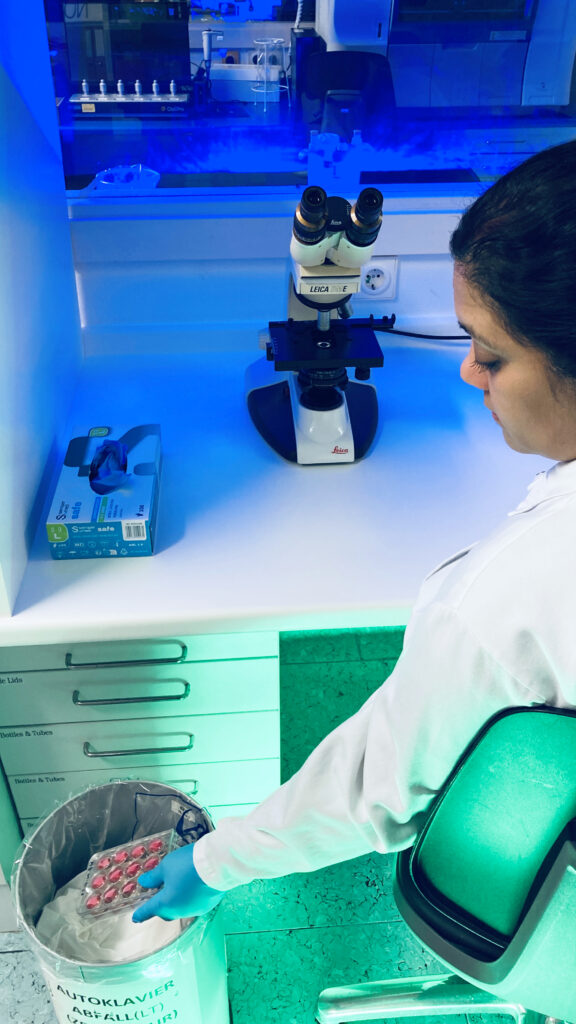
No, it isn’t.
How often have you heard this, or even said it yourself?
👎 The experiment didn’t work AGAIN …
👎 Yeah, the results are completely random…
👎 No idea, it worked great last week…
It seems to be part of our everyday lab life, to sigh and accept that experiments oftentimes do not work, simply because it is their nature to fail again and again 🤷♀️🤷♀️🤷♀️.
But is that really the case? Are we simply at the […]
How often do we stop to think about this? 🤔💫
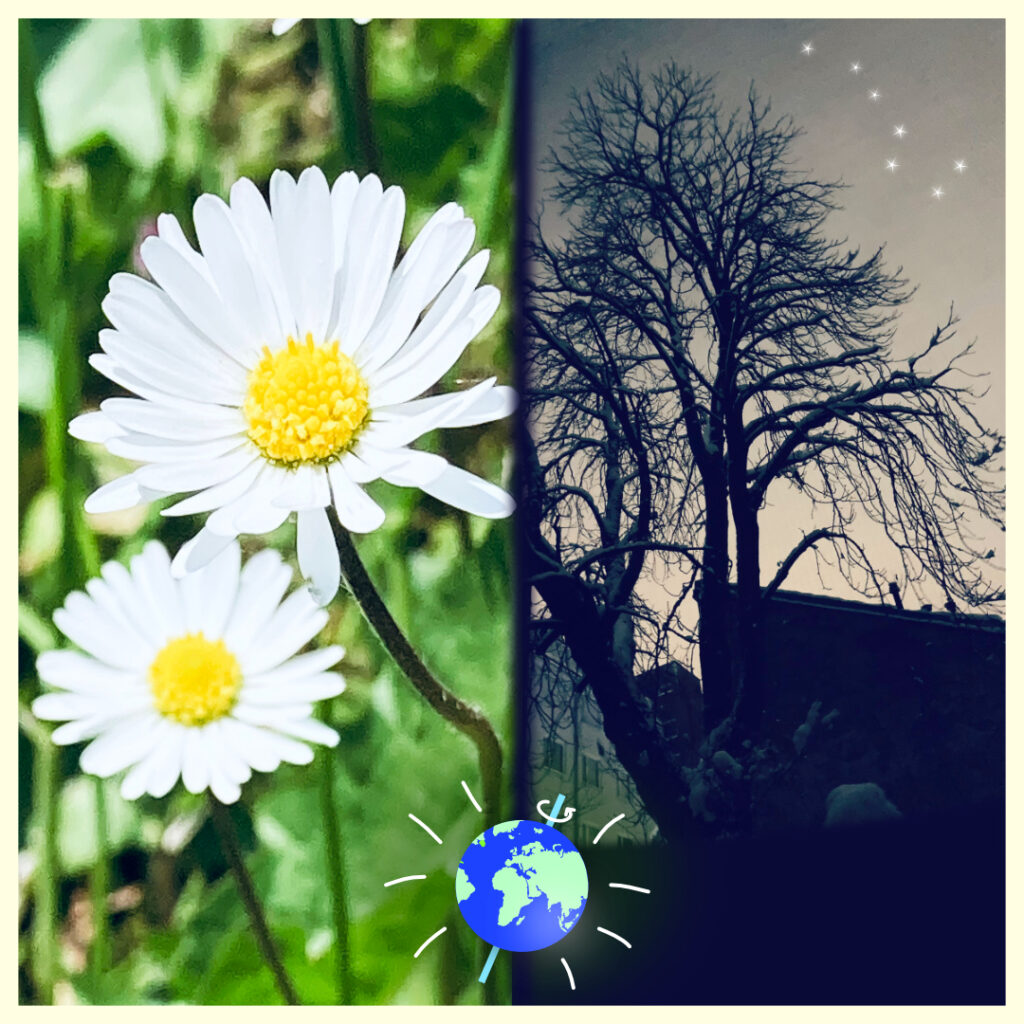
Most days, we are focused on projects, meetings, and deadlines. It doesn’t happen often that we are reminded that we spend our entire lives on a tilted, rotating planet orbiting a star 💫🌞🌍💫.
The summer solstice is one of those rare occasions when our perspective briefly shifts, and we are reminded of our place in the universe ✨🪐🌙.
In the Northern Hemisphere, daylight has reached its annual maximum 🌻. Tonight will be the shortest night […]
Tissue Regeneration at its best: This was the Cluster Meeting 2026 at TU Wien 🎉🎉🎉
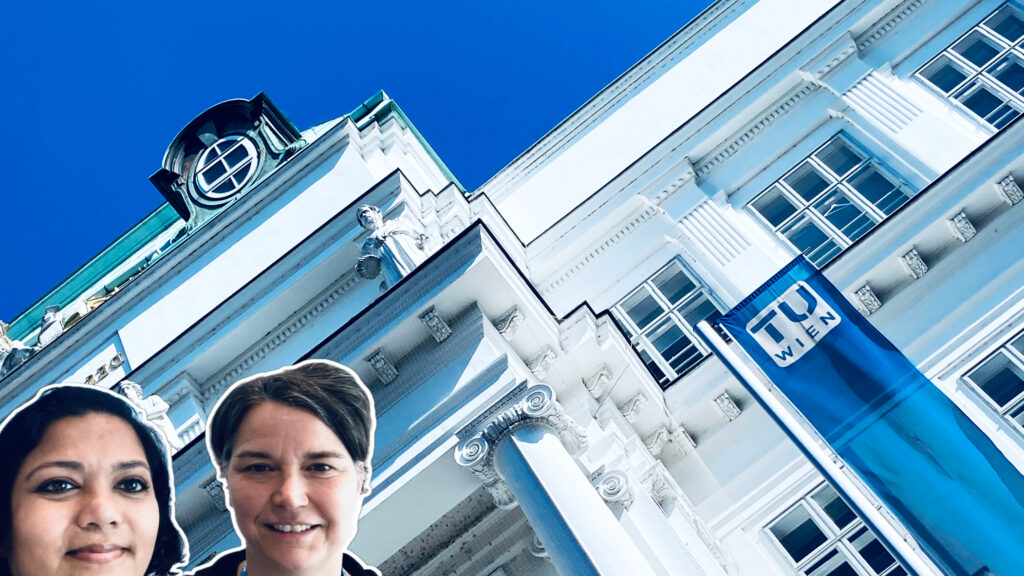
The fun part of being a researcher is to attend meetings, where so many disciplines come together. Solid-state physics, mitochondria, organic chemistry, immunology, fluid dynamics, nano-technology … [the list goes on, almost indefinitely]. 🧬🤝🧪
All of these fields converge in one remarkable area of research: tissue engineering 🚀. The depth and diversity of expertise required to bring together knowledge from so many disciplines is quite extraordinary! Just imagine the number of highly skilled researchers working behind the scenes to make progress in […]